
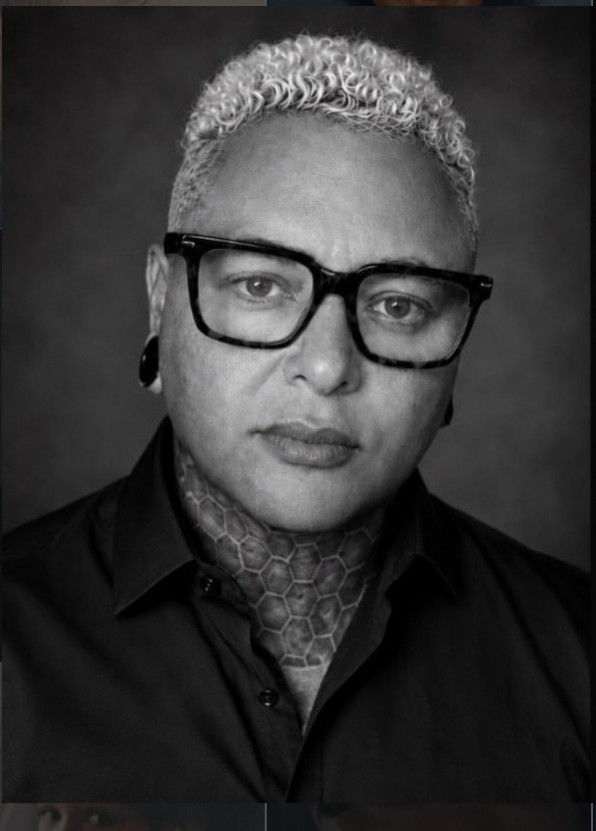
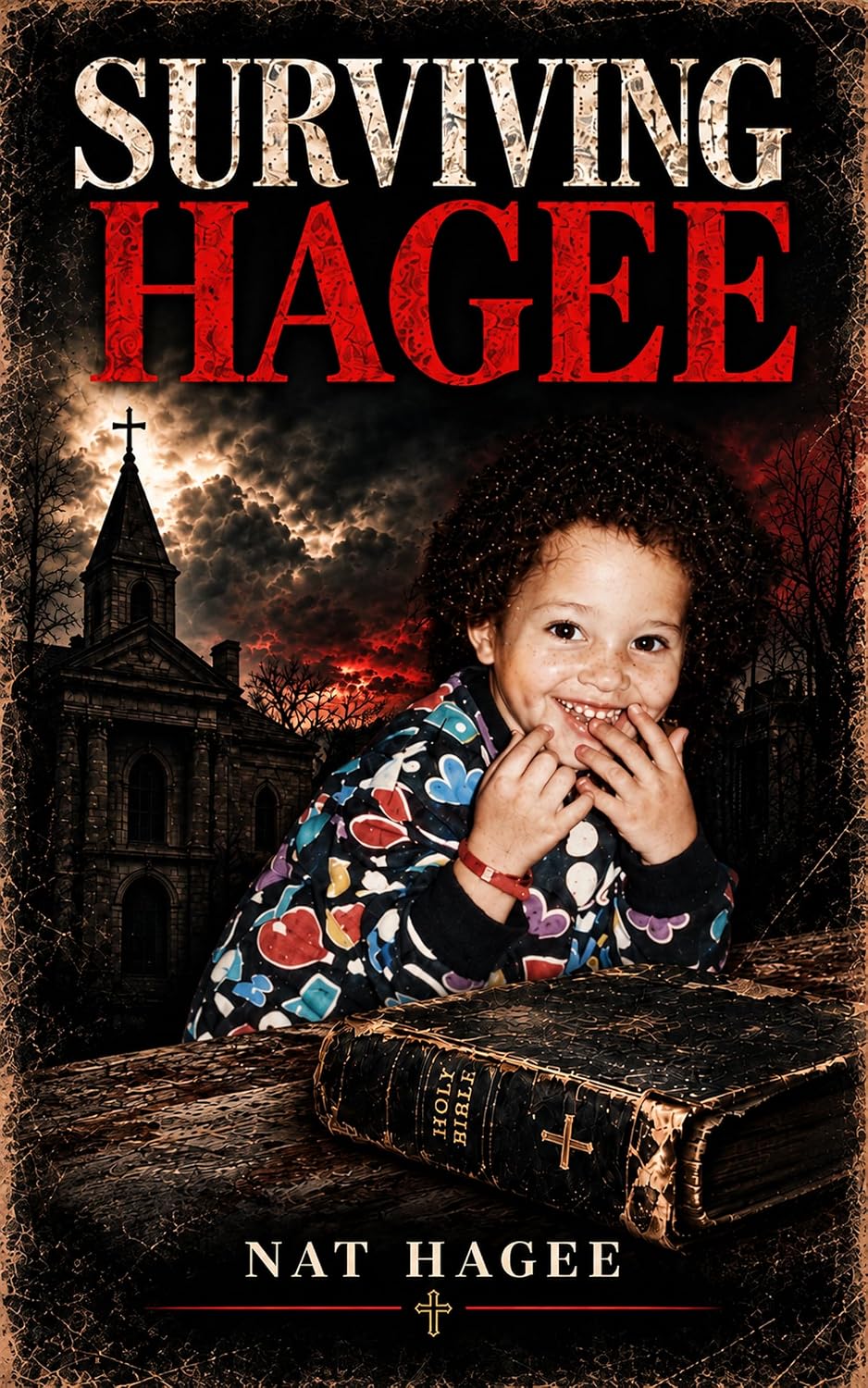
Welcome to the Author Interview. This time, it features the lovely Nat Hagee author of Surviving Hagee.
If you’re an author who’d like to take part in the series, email me: debbie@myrandommusings.co.uk
Now over to Nat.
1 Firstly, tell us a little bit about yourself
I’m Nat Hagee, a San Antonio based author and survivor. I’m trans nonbinary and use they/them pronouns. I spent a lot of my life in survival mode, and writing Surviving Hagee became a way to finally tell my story in my own voice. I’m very direct, I use dark humour, and I try not to make healing sound cleaner or easier than it really is.
2 Tell us a little bit about your books
Surviving Hagee is my debut memoir. It covers childhood abuse, family secrecy, trauma, mental health, identity, relationships, and the long process of rebuilding a life after survival. I wanted it to feel less like someone was reading a formal memoir and more like I was sitting across from them telling them what happened. The Kindle edition is available now, and the paperback and hardcover editions are scheduled for October 31.
3 Where do you find your inspiration for your books?
My inspiration comes from lived experience and from the things people are often told not to talk about. I spent years carrying stories that were painful, complicated, embarrassing, or uncomfortable. Writing gave me a way to turn those experiences into something that might help another person feel less alone.
4 What, for you, is the best thing about being a writer?
The connection. When someone tells me that something I wrote made them feel seen or gave them courage to talk about their own experience, that means more to me than anything else. Taking something painful and turning it into something useful is incredibly powerful.
5 And the worst?
Reliving certain memories. Writing a memoir means going back into moments you would sometimes rather leave buried. There is also a vulnerability that comes with putting your truth out publicly and knowing people can judge it, misunderstand it, or have opinions about it.
6 If you could have any super power, what would it be and why?
I would want the ability to take trauma away from people without erasing who they became because of it. I know what it feels like to carry things for years, and I would love to be able to give people some peace without taking away their strength.
7 Do you have any tips for anyone wanting to write their first book?
Start before you feel ready. Don’t worry about making the first version perfect. Get the story out first and clean it up later. Write in your own voice instead of trying to sound like what you think an author is supposed to sound like. And if traditional writing is difficult, dictate it. I told much of my story out loud, and that helped me keep it honest and conversational.
8 Tell us one random fact about you
I love long walks, and a lot of ideas come to me while I’m walking.
9 Who is your favourite author?
I’m terrible at choosing one single favourite. I’m drawn most to memoirists and writers who are willing to be brutally honest, especially when the truth is messy or uncomfortable.
10 And your favourite book(s)?
I tend to gravitate toward memoirs and true stories more than one specific all-time favourite. The books that stay with me are the ones where the writer tells the truth without trying to make themselves look perfect.
11 What book are you reading right now?
Right now, most of my reading time is going into publishing materials, interviews, and working on what comes next, so I don’t have one particular current read I’m focused on.
12 Where is your favourite place to write?
Because I dictate a lot of my writing, I’m not tied to a desk. My favourite place is simply somewhere comfortable where I can talk freely, think out loud, and let the story come naturally.
13 Do you prefer to write in silence or do you have a writing soundtrack?
Usually quiet enough that I can hear myself think. Since I dictate, too much background noise can pull me out of the story.
14 What can we expect from you next?
I’m already working on the next part of the story — what happens after survival. It focuses more on adulthood, relationships, learning to trust, love, relapse, healing, and what it means to build a life when survival is no longer the only goal.
15 Anything else you’d like to share with us?
Healing is not a straight line, and I think that is one of the biggest things I want people to take away from my story. You can make progress and still struggle. You can laugh at things that once broke you. You can have setbacks and still be healing. Surviving Hagee is not about pretending everything ended perfectly. It is about finally owning my story and refusing to be silent about it.
16 Where can we find you?
You can find me on Amazon/Kindle, Instagram and TikTok.
Thank you again, Debbie. I really appreciate the opportunity to be featured.
Leave a Reply